
Overview
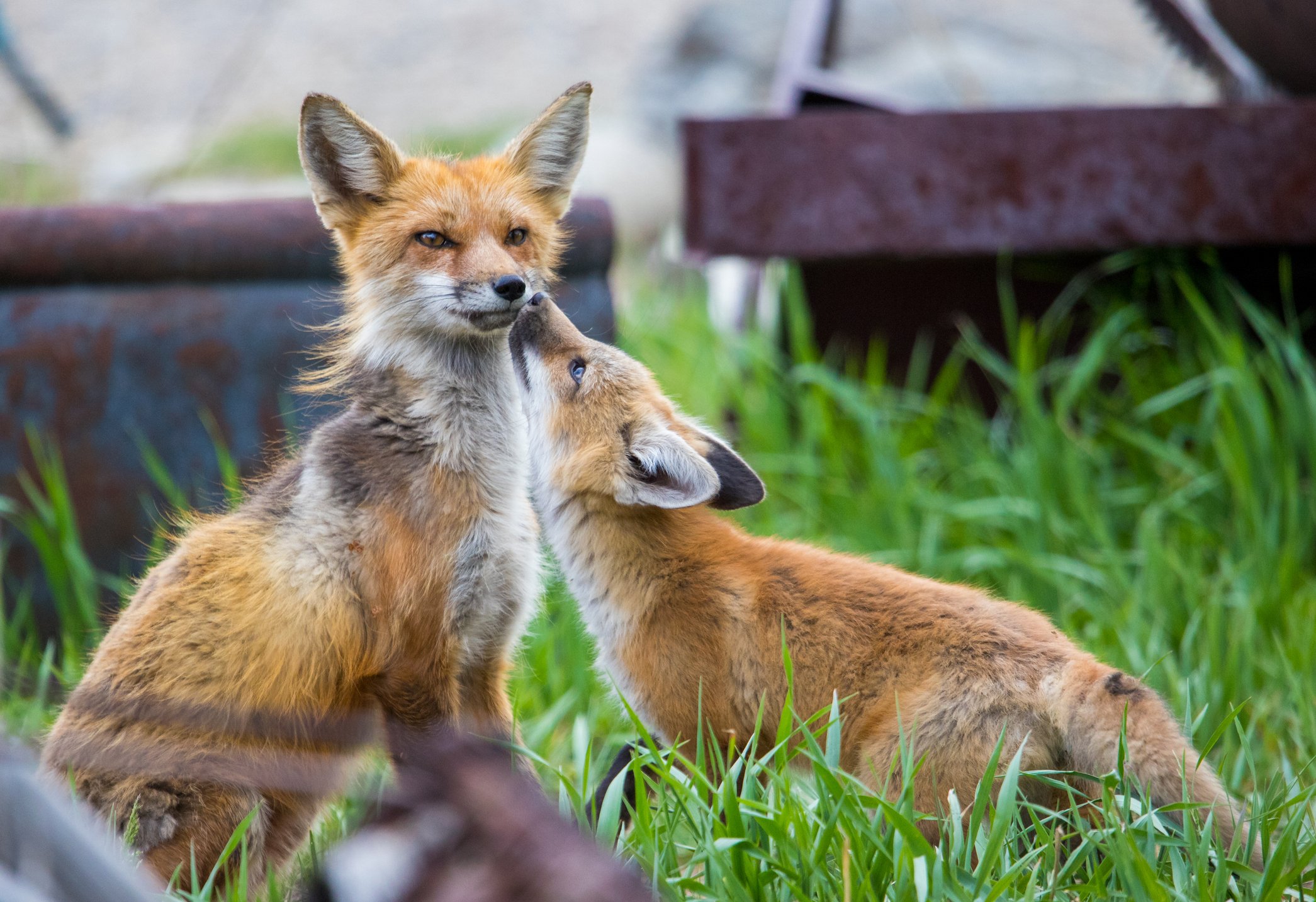
- Fox mating season in the Washington, D.C. area typically occurs from January through February
- Pups are usually born from March through April
- Fox nesting season often takes place under decks, sheds, and brush piles
- Red and gray foxes are the two species most commonly seen in suburban neighborhoods
- Early prevention helps avoid denning under structures
If you live in a rural area, near woodlands, or even in suburban neighborhoods throughout Washington, D.C. and surrounding Maryland communities, you’ve likely seen a fox at some point. As development expands into natural habitats, fox sightings have become more common. While foxes generally avoid human interaction, certain times of year, especially mating and nesting season, bring them closer to residential properties.
Understanding when the fox mating season occurs and how nesting season affects fox behavior can help homeowners stay proactive.
When Is Fox Mating Season?
In the Mid-Atlantic region, fox mating season typically takes place between January and February, with some activity extending into early March depending on weather patterns.
During mating season, male foxes become more active and may travel farther than usual in search of a mate. You might notice:
- Increased nighttime sightings
- Vocalizations such as barking or high-pitched screams
- Tracks around yards and wooded edges
Red foxes and gray foxes, the two species most commonly adapted to urban and suburban environments, are especially active during this period.
When Does Fox Nesting Season Begin?
After mating, female foxes enter a gestation period of roughly 52 days, meaning fox nesting season begins in early spring. In the Washington, D.C. area, most pups are born between March and April.
As pregnancy progresses, the female searches for a safe den site to give birth and raise her pups. In the wild, foxes dig burrows called dens. In residential areas, however, they often choose:
- Under decks or porches
- Beneath sheds
- Along foundation gaps
- Under woodpiles or brush piles
- In abandoned groundhog burrows
Once pups are born, the den becomes the center of activity for several weeks. Both parents may assist in feeding and protecting the young.
Why Fox Activity Increases Near Homes
Foxes are generally shy and avoid people, but acclimatized foxes may lose some of that caution, especially when food sources are easily available. A hungry fox will go to great lengths to find a meal, and residential properties often provide easy access.
Foxes have a diverse diet that includes:
- Rodents and small mammals
- Birds and eggs
- Frogs and insects
- Fruits and berries
- Garbage and pet food
Open trash cans, fallen fruit in gardens, chicken coops, and unattended pet food can attract them. In some cases, foxes may also prey on small pets or poultry.
Although foxes are rarely dangerous to humans, they can carry zoonotic diseases such as rabies, canine distemper, leptospirosis, and tularemia. Their presence also increases the risk of conflict with pets and livestock.
How to Reduce Fox Activity on Your Property
If you’re noticing foxes nearby during mating or nesting season, prevention is key.
Cut Off Food and Water Sources
- Secure trash cans with tight-fitting lids
- Avoid leaving pet food outdoors
- Pick up fallen fruits and vegetables
- Cover stagnant water sources at night
- Avoid fertilizers made from bone, blood, or fish
Eliminate Potential Den Sites
Foxes look for quiet, concealed areas to raise pups. Reduce opportunities by:
- Sealing gaps under decks and sheds
- Clearing dense shrubs and brush piles
- Blocking access to crawl spaces
- Filling abandoned burrows properly
Use Deterrents and Scare Tactics
Motion-activated lights, sprinklers, and alarms can startle foxes and discourage repeat visits. Radios playing human voices at low volume overnight may also help. However, repellents often lose effectiveness over time and require frequent reapplication.
Install Proper Fencing
A well-built fence can be highly effective. For best results:
- Use narrow steel mesh
- Build at least 6 feet high
- Add a 45-degree outward overhang
- Bury fencing at least 12 inches deep in an L-shape
Humane Fox Removal and Exclusion in Washington, D.C.
If foxes have already established a den on your property, professional help is recommended. Improper trapping or sealing of dens can separate parents from pups or cause additional structural damage.
At District Wildlife Solutions, we provide:
- Humane fox trapping and removal
- Safe relocation when permitted by local regulations
- Animal exclusion to prevent re-entry
- Wildlife damage repair
- Dead animal removal and odor treatment if necessary
Our team understands seasonal fox behavior and uses ethical, eco-conscious methods designed for long-term solutions. If you’re seeing increased fox activity around your home, contact District Wildlife Solutions for professional, humane wildlife removal services in Washington, D.C. and Maryland.