
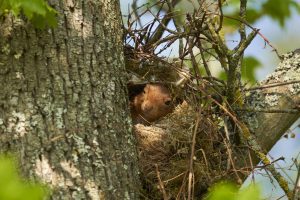
Squirrels, like many small mammals, have distinct breeding seasons that can lead to unexpected encounters with homeowners. Their nesting habits often bring them into close proximity to human dwellings, particularly in attics, chimneys, or wall cavities, where they seek warmth and safety for their young. Understanding their reproductive cycle can help identify when intervention may be necessary to ensure both the safety of the animals and the integrity of your home.
When Do Squirrels Have Babies?
Squirrels have two primary breeding seasons each year, with the first occurring in late winter to early spring and the second in late summer. After a gestation period of approximately 44 days, mother squirrels give birth to a litter of blind, hairless babies that are entirely dependent on them for survival. To protect their young, mothers construct secure nests, called dreys, in trees or sheltered locations. As the baby squirrels grow, they become more active, developing fur, opening their eyes, and eventually starting to explore their surroundings. If you notice scratching or chirping noises in your attic or walls, it could indicate a nearby squirrel nest, and professional humane removal may be required to prevent damage and safely relocate the animals.
How Long Do Squirrels Stay in the Nest?
Baby squirrels typically remain in the nest for about 8 to 12 weeks before they venture out on their own. During this time, they rely entirely on their mother for warmth, milk, and protection. In the first few weeks, they are nearly immobile, but as they grow, their fur fills in, their eyes open, and they begin to move around. By the time they are ready to leave the nest, young squirrels have developed the skills needed to climb, forage, and survive independently. If a baby squirrel is found outside the nest too early, it may have fallen or been abandoned, requiring human intervention for its safety.
What to Do If You Find a Baby Squirrel
Spotting a baby squirrel alone can be concerning, especially if it appears abandoned or injured. These young squirrels often vocalize loudly with chirping sounds and may be hairless or only partially furred. If you encounter a baby squirrel, observe from a distance to see if the mother returns. Avoid handling it unless absolutely necessary, and never attempt to raise it yourself. Instead, contact a licensed wildlife rehabilitator or local humane society to ensure the squirrel receives the proper care it needs.
How District Wildlife Solutions Can Help
At District Wildlife Solutions, humane practices are at the heart of everything we do. Contact us today for humane squirrel trapping and removal in Washington D.C and Maryland.