
Quick Tips for Protecting Your Garden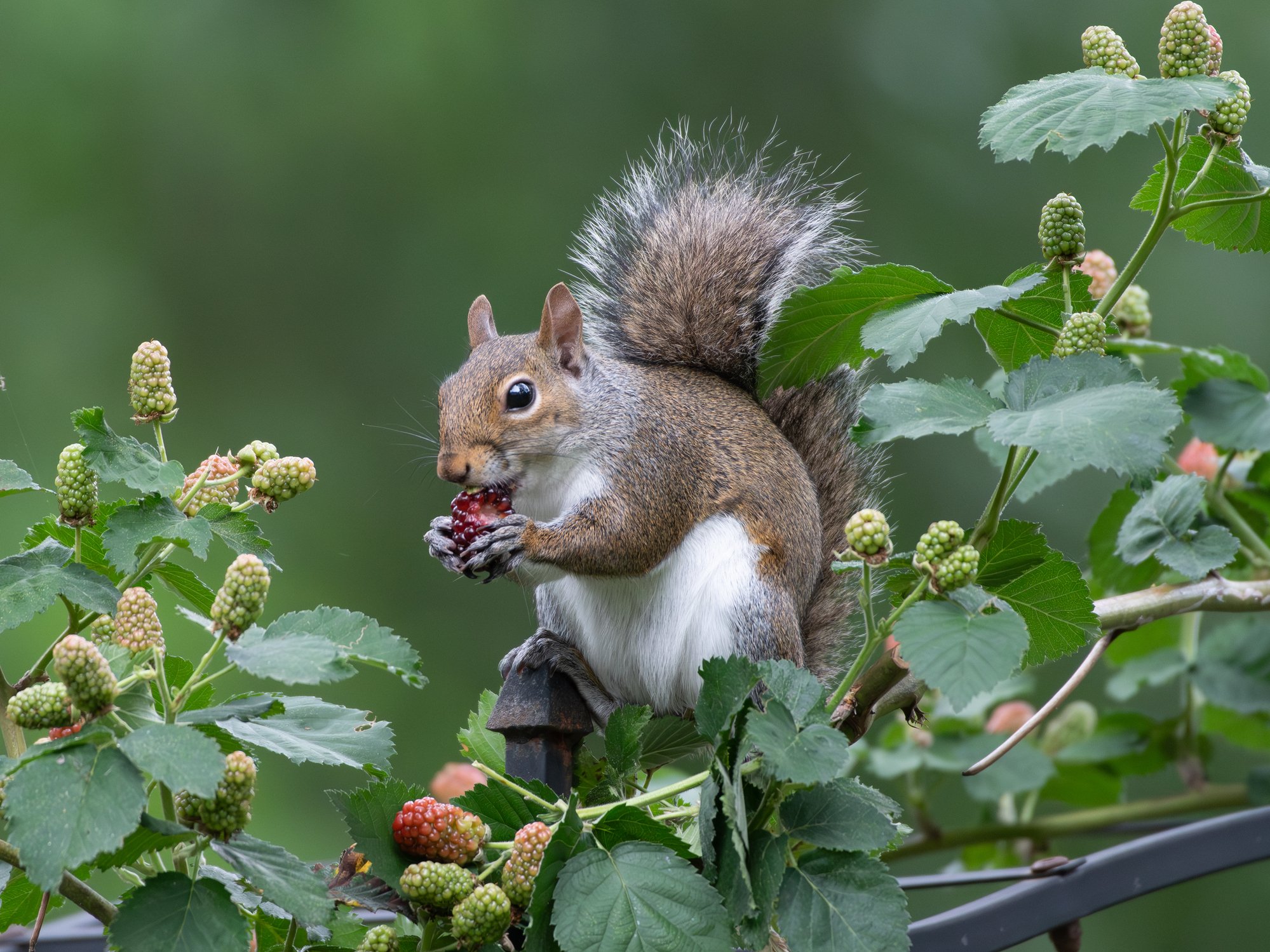
- Raised garden beds can make it harder for animals to access plants and dig in soil
- Fencing and netting help block wildlife from vulnerable areas
- Natural deterrents and pest-repelling plants can discourage repeat visits
- Remove food sources like fallen fruit, birdseed, and open trash
- Protect seedlings early, before animals establish feeding habits
- Watch for signs of digging, chewing, or burrowing around garden beds
A thriving garden attracts more than just admiration from neighbors. Fresh vegetables, flowers, berries, and soft soil are irresistible to many forms of wildlife throughout the Washington, D.C. area. Squirrels, raccoons, birds, groundhogs, rabbits, deer, and skunks are all common visitors to residential gardens—especially during spring and summer when food is abundant.
While wildlife is an important part of the local ecosystem, repeated feeding and digging can quickly damage plants and undo weeks of hard work. Fortunately, there are several humane and effective ways to discourage critters while still maintaining a healthy outdoor space.
Why Gardens Attract Wildlife
Gardens naturally provide many of the things animals are searching for:
- Fresh food sources
- Soft soil for digging
- Water and moisture
- Shelter near vegetation and mulch
Young seedlings and newly planted bulbs are especially vulnerable because they’re easy to dig up and tender enough for many animals to eat. Once wildlife discovers a reliable food source, they’re likely to return repeatedly.
Raised Garden Beds Offer Extra Protection
One of the most effective ways to discourage wildlife naturally is by using raised garden beds. Elevated planting areas create a physical barrier that makes access more difficult for many small animals, especially rabbits, skunks, and groundhogs.
Raised beds also:
- Reduce easy digging access for squirrels and other burrowing animals
- Allow for easier installation of fencing or protective netting
- Improve drainage and plant health, helping plants recover more easily from minor wildlife damage
- Create defined planting spaces that are easier to monitor and protect
For even more protection, many homeowners add mesh covers, wire panels, or lightweight frames over raised beds during peak growing seasons.
Physical Barriers Still Work Best
When it comes to long-term garden protection, barriers remain one of the most reliable solutions.
Fencing
Fencing helps keep larger animals away from vegetables, flowers, and fruit-bearing plants. For best results:
- Use narrow mesh or hardware cloth with small openings
- Bury fencing several inches underground to discourage digging
- Make fences tall enough to prevent climbing or jumping
- Netting and Covers
Birds and squirrels are especially attracted to berries, tomatoes, and young seedlings. Lightweight garden netting or row covers can help shield vulnerable plants while still allowing sunlight and airflow.
Protective covers are especially useful during early spring, when plants are still establishing themselves.
Deterrents That May Help
Many homeowners prefer to start with deterrents before turning to more intensive wildlife control methods. While no single method works permanently, combining several approaches and rotating them periodically can help make your garden less appealing to unwanted visitors.
Motion-Activated Devices
Sudden movement, noise, or water can startle wildlife and discourage repeat visits. Helpful options include:
- Motion-activated sprinklers
- Motion-sensitive lights
- Noise-making devices or alarms
- Reflective objects or garden pinwheels that move in the wind
These tools are especially effective for nighttime visitors like raccoons, skunks, and foxes.
Strong-Smelling or Taste-Based Repellents
Animals rely heavily on smell when searching for food. Certain scents and tastes can make garden areas less appealing.
Homemade sprays made with ingredients like garlic or hot peppers are commonly used around garden borders and planting beds. Some homeowners also apply castor oil-based treatments to discourage digging and burrowing animals by creating an unpleasant smell and taste in the soil.
Commercial scent deterrents designed for wildlife may also help temporarily discourage activity. In some cases, predator-based scents are used around the perimeter of a garden to make animals feel less comfortable entering the area.
Because wildlife can adapt over time, these deterrents typically work best when reapplied regularly and combined with fencing, raised beds, and other prevention methods.
Plants That Naturally Discourage Wildlife
Certain plants can also help deter critters naturally due to their strong scent, texture, or taste. Incorporating these around garden borders or near vulnerable plants may help reduce wildlife activity while adding color and variety to your landscape.
Popular options include:
- Lavender
- Marigolds
- Mint
- Rosemary
- Alliums
- Citronella grass
- Catmint
- Chrysanthemums
While these plants won’t completely stop determined animals, they can help make your garden less inviting when paired with other deterrent methods.
Remove Other Wildlife Attractions Around Your Yard
Even a well-protected garden can struggle if nearby food sources continue attracting animals.
To reduce wildlife activity:
- Clean up fallen fruit and vegetables
- Keep trash bins tightly sealed
- Move bird feeders away from planting areas
- Avoid leaving pet food outdoors overnight
- Trim overgrown shrubs and vegetation near gardens
The less attractive your yard becomes overall, the less likely animals are to linger.
Recognizing Common Garden Visitors
Different animals leave different signs behind. In the Washington, D.C. area, homeowners commonly deal with:
- Squirrels digging up bulbs and disturbing planters
- Groundhogs feeding heavily on vegetables and leafy plants
- Raccoons overturning containers or damaging gardens overnight
- Birds pecking fruit and seedlings
- Skunks digging small holes while searching for grubs
- Rabbits and deer feeding on flowers and tender growth
Identifying the source of damage can help determine the best prevention strategy.
When Wildlife Around the Garden Becomes a Larger Problem
Persistent garden damage can sometimes indicate that animals are nesting nearby—under decks, inside sheds, or even in attics and crawl spaces.
If wildlife activity around your property becomes excessive, District Wildlife Solutions can help with:
- Humane wildlife trapping and removal
- Animal proofing and exclusion services
- Dead animal removal and odor treatment
- Wildlife damage repair for affected areas around the home
Our team focuses on long-term prevention while using humane, eco-conscious methods that prioritize both property protection and animal welfare.
Protect Your Garden Without Harming Wildlife
Keeping critters away from your plants doesn’t have to mean harming local wildlife. By combining raised garden beds, fencing, natural deterrents, and good yard maintenance, you can create a garden that’s far less appealing to unwanted visitors while still supporting a healthy outdoor environment.
If wildlife around your home or garden is becoming difficult to manage, contact District Wildlife Solutions for professional, humane wildlife control services throughout Washington, D.C. and surrounding Maryland communities.