
If you’ve been hearing scratching or high-pitched squeaking coming from above your ceiling at dusk, there’s a good chance you’re sharing your home with bats. It’s an unsettling discovery, but before you reach for the mothballs or call an exterminator, there are a few critical things every homeowner needs to know.
Why Bats Choose Your Attic
To a bat, your attic is the perfect substitute for a cave. It’s dark, elevated, warm, and protected from predators. Attics are especially attractive during summer, when female bats form maternity colonies to give birth and raise their young. A single bat can squeeze through an opening as small as a dime, so even a well-maintained home is vulnerable.
Common entry points include:
- Gaps or cracks along the roofline and eaves
- Damaged or unscreened gable vents
- Loose fascia boards or soffits
- Improperly sealed ridge vents
- Uncapped chimneys
Signs You Have Bats in Your Attic
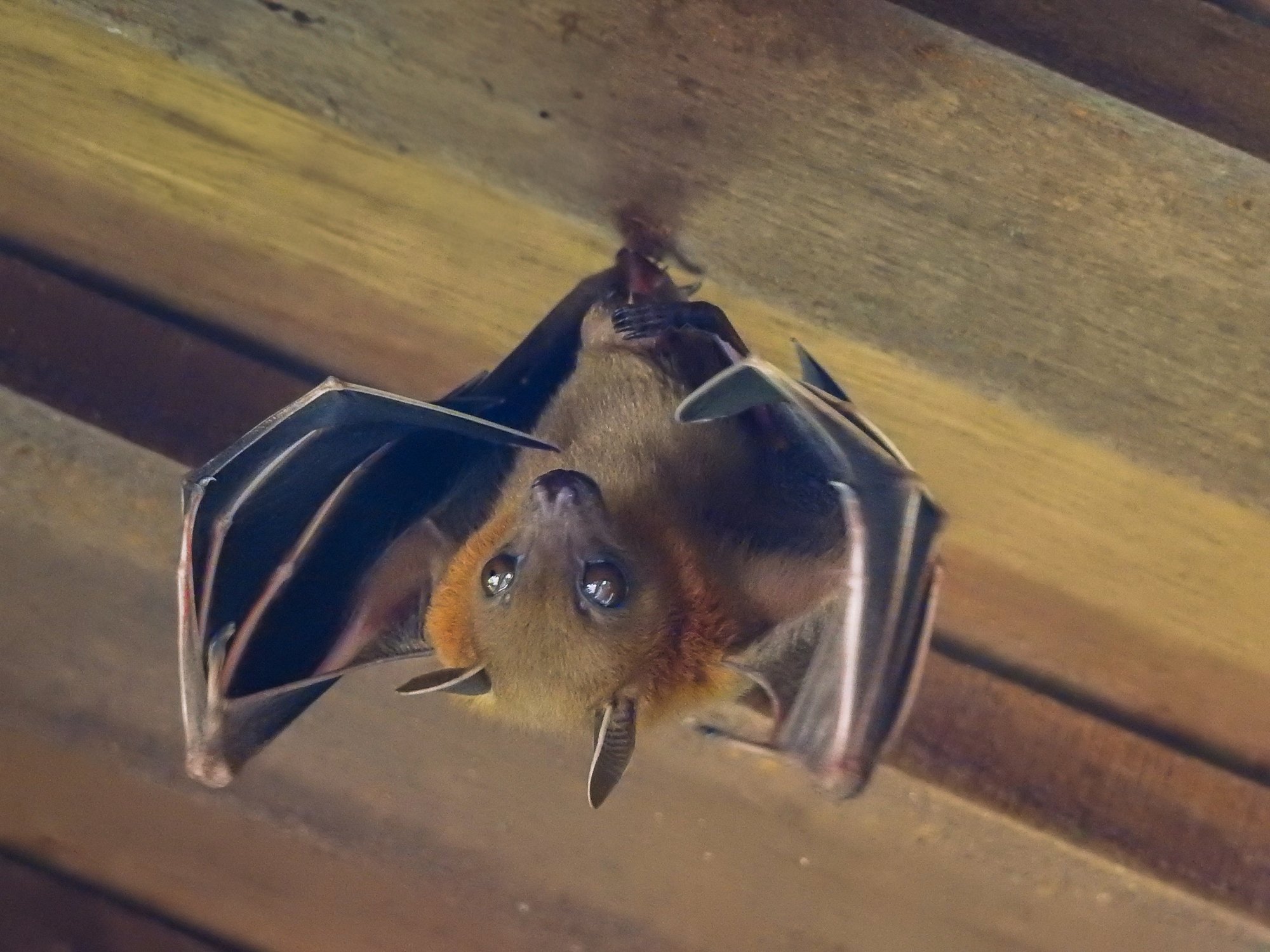
You may not see the bats themselves, but they leave plenty of clues:
- Scratching or squeaking sounds at dusk or dawn
- Bat guano (droppings) on windowsills, porches, or below roof vents
- Dark, greasy rub marks around entry points from the oils in bat fur
- Ammonia odor seeping into living areas as guano and urine accumulate
- Bats flying out from your roofline at sunset
Can You Get Rid of Bats Yourself?
It might be tempting to try and fix your bat problem yourself. But to be honest, it’s much harder than it looks, and doing it wrong is both illegal and dangerous.Bats are a federally protected species. It is illegal to kill, trap, or poison them. There are no registered pesticides or poisons approved for bat use. Common DIY remedies like mothballs, peppermint oil, ultrasonic devices, and bright lights are not effective at permanently removing an established colony.
There’s also a timing issue. Bat removal cannot be performed between May and August in Maryland. This is maternity season, when pups are born and are unable to fly. Attempting exclusion during this window traps baby bats inside, where they die. This creates an odor problem and a legal liability.
The Bat Exclusion Process
The correct method for getting bats out of your attic is called live exclusion. Here’s how it works:
- Inspect and identify all entry points, even gaps as small as ¼ inch need to be found.
- Install one-way exclusion devices (also called bat valves) over the main entry points. These allow bats to fly out at night to feed, but physically prevent them from returning.
- Seal all other gaps in the roofline, soffits, fascia, and vents using professional-grade materials.
- Wait 3–7 days to ensure the full colony has vacated.
- Remove the exclusion devices and seal those final openings permanently.
- Clean up the guano left behind. This requires proper protective equipment like gloves, respirator, and eye protection. Disturbing dried guano can release airborne spores that cause histoplasmosis, a serious fungal lung infection.
Why You Shouldn’t Wait
A bat colony doesn’t shrink on its own. Many homeowners assume bats will leave for the winter and the problem will resolve itself. While some species migrate, others like the Big Brown Bat hibernate right inside your walls and attic. Come spring, they return to the same roost and the colony grows.
Meanwhile, guano accumulates. It deteriorates insulation, stains and warps drywall, and creates persistent ammonia odors that can permeate living spaces. The longer bats are present, the more extensive and expensive the cleanup and repairs become.
When to Call a Professional
Bat exclusion requires working at heights, identifying every possible entry point (often dozens), and using specialized equipment. An improperly done exclusion means bats will simply find another way back in.
A licensed wildlife professional will conduct a full exterior inspection, perform the exclusion at the right time of year, handle cleanup and guano removal safely, and seal your home to prevent re-entry.
At District Wildlife Solutions, we handle every step of the bat removal process, from inspection and exclusion to guano cleanup and damage repair, so you don’t have to. If you’re hearing bats in your attic, contact us today for a professional assessment.