
 Quick Overview
- Rodents can spread disease and cause serious property damage
- Common signs include droppings, scratching noises, and chewed materials
- Sealing entry points is key to stopping infestations
- Sanitation and removing food sources are critical
- Professional removal is often the safest and most effective solution
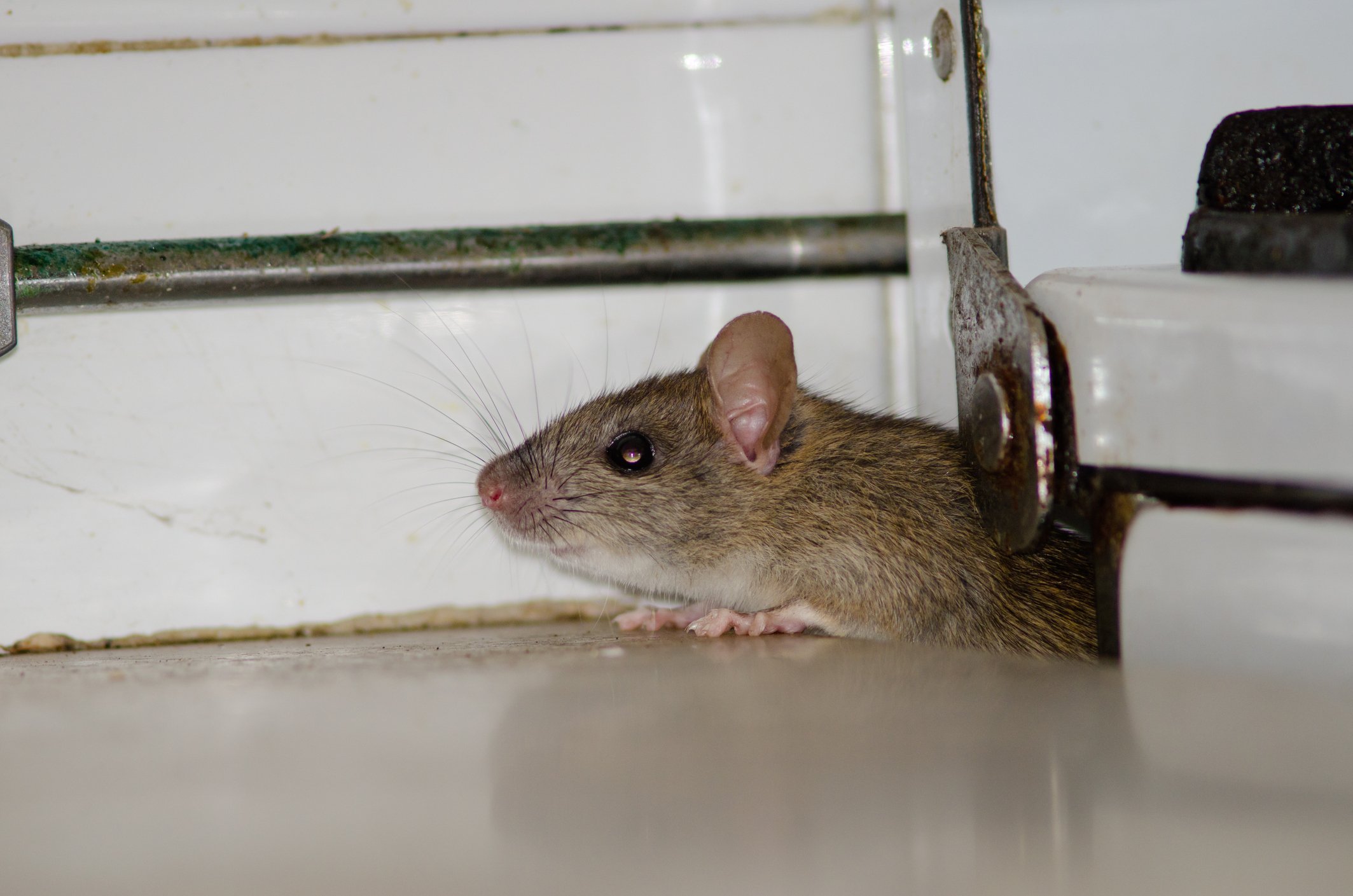
A rodent problem can go from minor to overwhelming very quickly. Mice and rats reproduce rapidly, hide in hard-to-reach places, and can cause damage to your home while posing health risks to your family. This is especially common in spring, when rising temperatures and increased food availability lead to a surge in rodent activity.
If you’re dealing with an issue, learning how to get rid of a mouse or rat infestation is essential for protecting your home.
Signs You Have a Rodent Infestation
Before taking action, it’s important to confirm the problem. Rodents are often active at night, so you may not see them right away, but they leave behind clear signs:
- Small, dark droppings in kitchens, basements, or attics
- Scratching or scurrying sounds inside walls or ceilings
- Gnaw marks on wires, wood, or food packaging
- Grease marks along baseboards or entry points
- Nests made of shredded paper, insulation, or fabric
If you notice multiple signs, the infestation may already be established.
Step 1: Find and Seal Entry Points
One of the most important steps in stopping a rodent problem is identifying how they’re getting inside. Mice can squeeze through holes as small as a dime, while rats only need slightly larger openings.
Common entry points include:
- Gaps around doors and windows
- Cracks in the foundation
- Openings around pipes, vents, and utility lines
- Roofline gaps and attic vents
- Crawl space openings
Seal these areas using materials rodents can’t chew through, such as steel wool, metal mesh, or heavy-duty sealant. Without closing off access, rodents will continue to enter your home, even if some are removed.
Step 2: Eliminate Food and Water Sources
Rodents are constantly searching for food, water, and shelter. If your home provides easy access, they have no reason to leave.
To reduce attraction:
- Store food in airtight containers
- Clean up crumbs and spills immediately
- Keep trash bins sealed tightly
- Avoid leaving pet food out overnight
- Fix leaks and eliminate standing water
Even small food sources can sustain a rodent population, so consistency is key.
Step 3: Remove Nesting Areas
Rodents look for quiet, undisturbed places to build nests. These are often found in:
- Attics and insulation
- Basements and crawl spaces
- Garages and storage areas
- Behind appliances
Decluttering these areas and removing soft materials like cardboard, paper, or fabric can make your home less inviting. The fewer hiding spots available, the harder it is for rodents to settle in.
Step 4: Use Traps Strategically
Traps can be effective when placed correctly, especially for small infestations. Common options include snap traps, electronic traps, and live traps.
When addressing a rodent problem, it’s important to choose solutions that prioritize animal safety whenever possible. Humane trapping methods—such as live traps or quick, well-placed snap traps—help reduce unnecessary suffering while still resolving the issue effectively.
For best results:
- Place traps along walls where rodents travel
- Set multiple traps in high-activity areas
- Use attractive bait like peanut butter or seeds
- Check traps frequently
Prompt monitoring ensures that captured animals are handled responsibly and prevents prolonged distress. However, traps alone may not fully eliminate a larger infestation, especially if entry points remain open.
Step 5: Avoid Poison-Based Solutions
While rodent poison may seem like a quick fix, it often creates bigger problems. Poisoned rodents can die inside walls, attics, or crawl spaces, leading to strong odors and sanitation issues. It can also pose serious risks to pets, children, and non-target wildlife.
Just as importantly, poison-based methods do not align with humane wildlife practices. Animals that ingest poison may suffer prolonged effects, and secondary poisoning can harm predators or scavengers that feed on them. For these reasons, animal wellbeing should always be prioritized when addressing a rodent infestation.
A long-term solution focuses on removal, exclusion, and prevention.
When to Call a Professional
If you’re dealing with a persistent or widespread issue, professional help is the most effective way to fully resolve the problem. Rodents reproduce quickly, and incomplete removal can allow the infestation to return.
At District Wildlife Solutions, we provide:
- Humane rodent trapping and removal
- Dead rodent removal and odor treatment
- Wildlife exclusion to seal entry points
- Wildlife damage repair for insulation, wiring, and structural damage
Our approach focuses on eliminating the infestation while preventing future problems, without the use of harmful poisons.
Take Back Your Home
Knowing how to get rid of a rodent infestation starts with understanding the problem and taking action early. By sealing entry points, removing attractants, and addressing nesting areas, you can reduce the risk of long-term issues, especially during peak seasons like spring.
If rodents have already moved in, don’t wait for the problem to grow. Contact District Wildlife Solutions for safe, effective, and professional wildlife removal services in the Washington, D.C. area.