
Overview
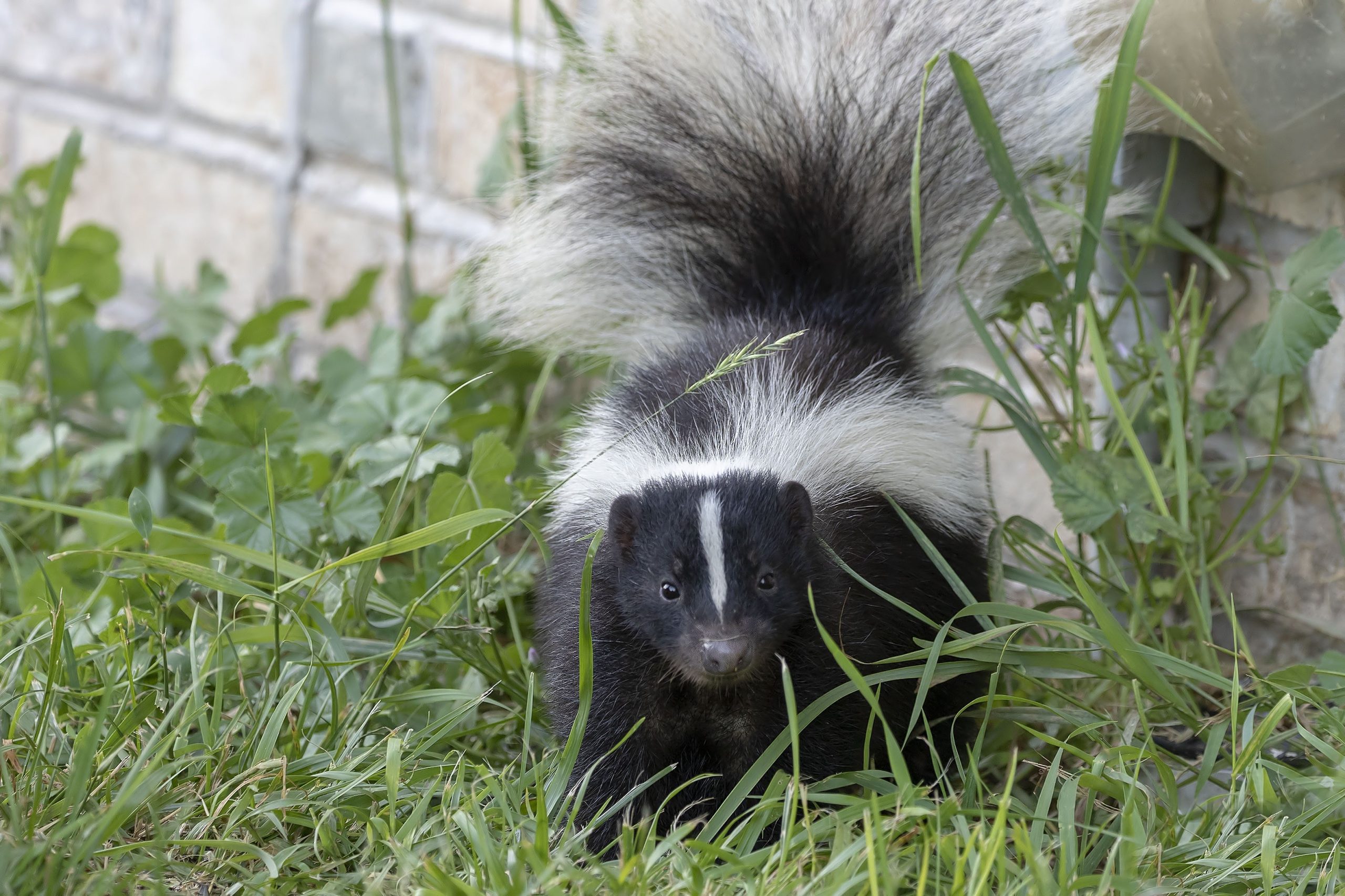
- Skunk mating season in the D.C. area typically runs from February through March
- Females give birth between April and early June
- Skunk nesting season often takes place under decks, sheds, and crawl spaces
- Blocking a den without proper removal can lead to trapped young, strong odors, and sanitation issues
As winter fades and temperatures begin to rise in the Washington, D.C. region, wildlife activity increases, especially among skunks. While they are generally quiet and solitary animals, their behavior shifts noticeably during breeding season. Understanding skunk mating habits and how nesting season impacts residential properties can help homeowners prevent unpleasant encounters.
When Is Skunk Mating Season?
In the Mid-Atlantic region, skunk mating season typically begins in late January and continues through March. During this time, male skunks roam more frequently and over greater distances in search of females. This increased movement often brings them closer to neighborhoods, where they may forage in yards or travel along fences and foundations at night.
Because skunks are nocturnal, homeowners are more likely to smell them before they see them. While skunks are not aggressive by nature, they may spray if sta
rtled, especially during breeding season when activity is heightened.
Skunk Mating Habits
Skunk mating habits involve scent marking and temporary overlap of territories as males seek receptive females. After mating, males move on and play no role in raising the young.
Gestation lasts approximately 60 to 75 days, meaning babies, called kits, are typically born between April and early June in the Washington, D.C. area. A litter usually contains 4 to 7 kits, though larger litters are possible when food sources are abundant.
During this period, the mother becomes highly focused on finding a secure den site to safely give birth and nurse her young.
Skunk Nesting Season
During skunk nesting season, females look for sheltered, protected areas that provide warmth and safety. In natural settings, this may include hollow logs or abandoned burrows. In suburban neighborhoods, however, skunks commonly den:
- Under decks and porches
- Beneath sheds
- Inside crawl spaces
- Under concrete steps or patios
- Within woodpiles or brush piles
These areas provide quiet protection for raising kits but also bring skunks into close contact with homes.
It’s important not to seal off a suspected den without professional guidance. If kits are inside, blocking the entry can trap them beneath the structure. The mother may attempt to dig back in, causing additional damage, and if the young cannot be retrieved, strong odors and sanitation issues can develop. Proper removal ensures both the mother and kits are handled safely before any exclusion work is completed.
Signs a Skunk May Be Nesting Nearby
Homeowners in the D.C. area should watch for:
- Persistent skunk odor near decks or foundations
- Small, shallow holes in lawns from foraging
- Dirt piled near shed bases or crawl space openings
- Nocturnal movement captured on security cameras
- Pets reacting strongly to a particular area of the yard
Early detection can prevent long-term damage and reduce the risk of defensive spraying.
Professional Skunk Removal in the Washington, D.C. Area
If you suspect skunks are nesting on your property, District Wildlife Solutions provides safe, humane assistance. Our team offers:
- Humane skunk trapping and removal, including careful handling during birthing season
- Dead animal removal and odor treatment if contamination has occurred
- Animal proofing to seal denning areas under decks, sheds, and crawl spaces
- Wildlife damage repair to restore affected areas and prevent re-entry
All of our methods are eco-conscious, poison-free, and designed to provide long-term protection for your home. If you’re noticing signs of skunks around your home, contact District Wildlife Solutions for professional wildlife removal services throughout Washington, D.C. and Maryland.