
As warmer weather returns to the Washington, D.C. area, so does increased wildlife activity. Early spring brings a surge of movement as animals emerge from winter dens or torpor and begin nesting, mating, and foraging. While this seasonal shift is a natural part of the ecosystem, it often brings animals a little too close to home.
Many local species take advantage of quiet, sheltered spaces like attics, crawl spaces, chimneys, and under decks. For homeowners, now is the time to stay alert and take preventive action before these animals settle in.
Most Common Spring Wildlife Around Homes
Squirrels
Squirrels are among the most common wildlife intruders in early spring. By March and April, females begin building nests and searching for safe, dry places to raise their young. Attics are especially appealing because they’re warm, quiet, and full of insulation that makes excellent bedding.
Once inside, squirrels can chew through wood, electrical wiring, and even HVAC ductwork—creating fire hazards and structural problems. Homeowners often hear daytime scratching or scampering, particularly at dawn or dusk.
Prevention tip: Look for roofline gaps, unscreened vents, or tree limbs that provide direct access to your roof.
Raccoons
Raccoons become very active in early spring as females look for secure spaces to birth and raise their young. Attics, chimneys, and crawl spaces are favorite spots due to their seclusion and warmth. Raccoons are strong and clever, capable of tearing through shingles, soffits, or loose siding to get inside.
You might hear loud nighttime movements, thumping, or growling sounds, as raccoons are nocturnal. They also leave behind large droppings and strong odors, especially when raising kits in enclosed spaces.
Prevention tip: Make sure rooflines, chimney caps, and attic vents are secure and undamaged.
Foxes
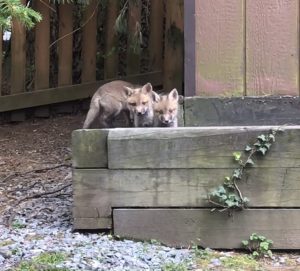
While foxes are less likely to enter a structure, they often den under sheds, decks, porches, or woodpiles in spring. This is especially common in suburban and semi-rural areas. Spring is pup-rearing season, and a fox den nearby may go unnoticed until you hear vocalizations at night or see adult foxes regularly crossing your yard.
Although generally shy, foxes can become defensive if they’re raising pups nearby. They may also hunt rodents or small pets.
Prevention tip: Use lattice or fencing to seal off the space beneath structures and remove dense brush or woodpiles near your home.
Bats
Bats in the Washington, D.C. area begin emerging from hibernation or torpor in early spring. This is when they become active at dusk, feeding on newly abundant insects. They may also seek new roosting spots, especially if prior roosts (like hollow trees) are unavailable.
Attics are prime targets for small bat colonies. Bats can enter through gaps as small as ½ inch and leave behind guano, wh
ich can cause staining and odors and may pose health risks over time.
Prevention tip: Schedule a roofline inspection to check for gaps around flashing, ridge vents, and gables.
Birds
Birds like starlings, sparrows, and pigeons often build nests in exhaust vents, soffits, chimneys, or attic spaces during early spring. While birds may seem harmless, nesting materials can clog ventilation systems and pose fire hazards. Their droppings are also acidic and can damage exterior surfaces or contaminate indoor air if they enter ducts.
Chirping sounds, debris near vent openings, or visible nest material are early warning signs.
Prevention tip: Install vent guards and chimney caps before nesting season begins.
Keep Spring Wildlife Out with Prevention and Expert Help
While these animals are just following their natural instincts, their presence inside or around your home can lead to costly damage, health concerns, and stress for your family. The best time to prevent wildlife issues is before they begin nesting in early spring.
At District Wildlife Solutions, we provide humane, effective wildlife control throughout the Washington, D.C. area. Our licensed team can help with:
Humane animal trapping and removal
- Dead animal removal and odor treatment
- Animal exclusion to seal entry points
- Wildlife damage repair to restore affected areas safely
All of our solutions are poison-free, eco-conscious, and designed with long-term prevention in mind.
Schedule a Spring Wildlife Inspection Today
If you’re seeing signs of animal activity or want peace of mind as the season changes, District Wildlife Solutions is here to help. Contact us today for trusted, professional wildlife removal and prevention services in Washington, D.C. and surrounding communities.